
Free Moving Boxes Are Closer Than You Think – Every Source You Need to Know
Cardboard doesn't have to cost you a dime. From liquor stores to Facebook Marketplace, these are the best-kept secrets for finding free moving boxes fast.

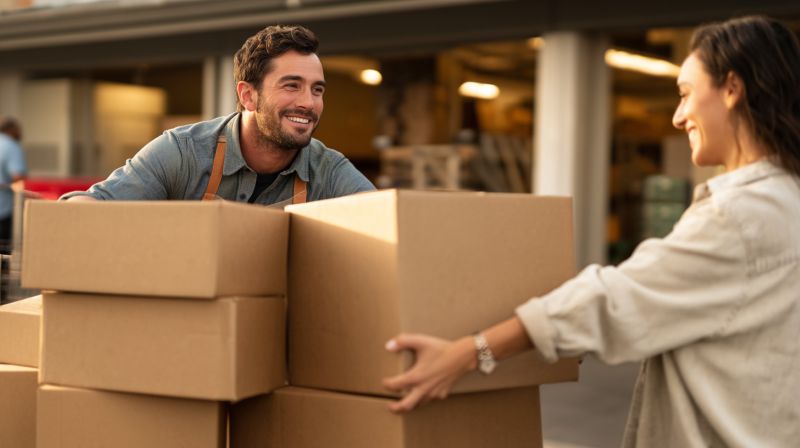
The moment you realize how many boxes it takes to pack up an entire home is usually the same moment your moving budget takes its first hit. Cardboard, of all things, ends up being one of those line items that catches people completely off guard. But here is the truth that experienced movers already know: you rarely need to spend a dollar on boxes if you know where to look. According to the American Moving and Storage Association, approximately 35 million Americans move each year, and a huge percentage of them leave behind perfectly good boxes that are just sitting in recycling bins, garages, and storage rooms waiting to be used again.
The average two-bedroom move requires somewhere in the range of 60 boxes, and buying those retail can easily cost you $100 to $200 or more when you factor in various sizes and specialty needs. That kind of money is better spent on your new home, not on cardboard that ends up in a dumpster three weeks later. This guide walks you through every legitimate, reliable, and often-overlooked source for free moving boxes, whether you have two weeks to plan ahead or you are packing up tomorrow.
Local Retail Stores: The Goldmine You Walk Past Every Week
Most people never think to ask, but retail stores are restocked constantly, which means they produce a steady stream of empty boxes that have nowhere to go except the recycling compactor. Knowing exactly which stores to target, and when to show up, makes all the difference between walking away empty-handed and filling your trunk on the first try.
Grocery Stores
Grocery stores are one of the most reliable and accessible sources for free boxes because they receive deliveries multiple times per week. Produce departments in particular tend to have boxes available in the morning, right after restocking. Stores like Trader Joe's, Kroger, Whole Foods, and Safeway are well-known in the moving community for being generous with their surplus. Kroger produce boxes are especially useful because they tend to have lids, which is a feature you rarely get with boxes you buy new. Call ahead and ask for the produce department manager directly; introduce yourself, explain that you are moving, and ask if they can set boxes aside for pickup. Most will say yes without hesitation.
One thing worth knowing: not all grocery boxes are created equal. Boxes that held bananas or leafy greens sometimes have ventilation holes along the sides, which makes them less ideal for packing anything small. Stick to dry-goods boxes from the cereal, canned goods, or paper product aisles for the sturdiest options.
Liquor Stores
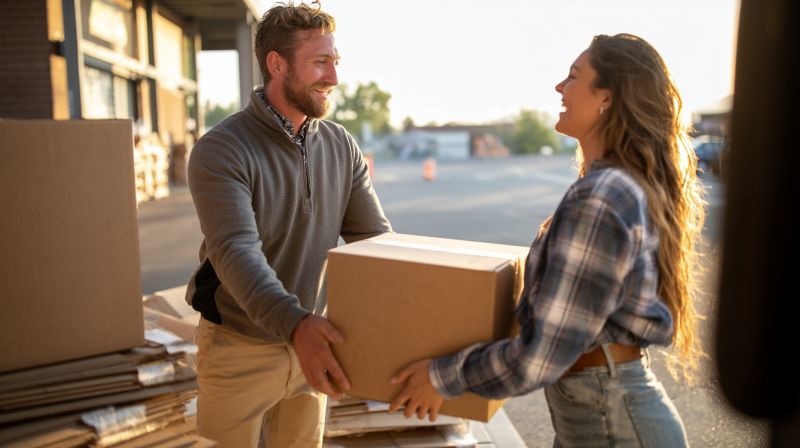
This is perhaps the most underrated source of all. Liquor store boxes are purpose-built to carry heavy glass bottles without collapsing, which means they are significantly sturdier than most grocery boxes. Many also come with cardboard dividers inside, which work perfectly for packing wine glasses, mugs, and other fragile kitchen items without needing as much bubble wrap. Boxes for wine and liquor are not only very sturdy but may come with cardboard divider inserts that help with packing things like mugs and glassware. Visit shortly after a delivery day, which for many stores falls on Tuesday or Wednesday morning, and ask the manager if they have extras available. You will usually get a yes.
Bookstores and Office Supply Stores
- Bookstores receive inventory in heavy-duty boxes designed to carry dense, weighty loads without giving out. These boxes are ideal for packing your own book collection, dishes, or anything else that tends to be heavy.
- Office supply stores like Staples and Office Depot regularly receive shipments of paper reams, printer cartridges, and furniture. Paper ream boxes in particular are compact, strong, and easy to stack.
- Big-box retailers like Walmart and Costco process enormous shipments throughout the week. Electronics boxes from these stores are super sturdy and perfect for protecting fragile belongings, while grocery boxes are often double-walled, making them ideal for heavy items.
The best approach across all retail sources is simply to call ahead, ask when their next major shipment arrives, and ask if someone can set boxes aside. Most store employees are happy to help because it saves them the step of breaking everything down for recycling.
Restaurants, Coffee Shops, and Fast Food
This category gets overlooked almost universally, and it is a mistake. Food service businesses receive supply deliveries several times per week, which means boxes come through their back doors on a regular schedule. Most of these businesses have nowhere to put the empty containers except in a dumpster or recycling bin, so asking for them is genuinely doing them a favor.
Fast food locations are particularly worth a call because their supply volume is high and their turnover is constant. Frozen ingredients arrive in thick, wax-free corrugated boxes that hold up well to stacking. Coffee shops typically receive shipments of milk, syrups, and dry goods in clean, dry, and well-structured boxes. Fast food restaurants constantly receive ingredient packages, and with so much turnover, you can check back regularly if you do not score everything you need on the first visit. The best time to call or stop by is mid-afternoon when the lunch rush has died down and staff have a moment to talk.
Online Platforms: Where Free Boxes Come to You
If walking into stores is not your preference, or you simply need boxes faster than retail visits allow, online community platforms have made it remarkably easy to find free moving boxes within just a few miles of your home.
Facebook Marketplace and Community Groups
Facebook Marketplace has quietly become one of the most effective tools for scoring free moving boxes quickly. People who have just finished unpacking frequently post their entire box collection as a free giveaway because they want them gone and out of the house. Facebook Marketplace makes it easy to search by location, and it is common to find people giving away all kinds of boxes, from wardrobe boxes to large ones, often with the addresses listed for immediate pickup. Use the filter that shows only free listings, search terms like "moving boxes" or "free boxes," and set up notifications so you are among the first to respond. Speed matters here; these listings tend to disappear within hours.
Beyond Marketplace itself, local Facebook community groups and neighborhood swap groups are equally productive. Post a request explaining that you are moving and need boxes, and you will often have responses within the same day.
Nextdoor and the Buy Nothing Project
- Nextdoor is a hyper-local app that connects neighbors in the same zip code or neighborhood. The classifieds section includes free giveaways, and boxes come up frequently from people who have recently moved in or recently unpacked.
- The Buy Nothing Project operates similarly, with a community-focused model where members give and receive items for free within a very localized area. Boxes are among the most commonly offered items.
- Craigslist remains a dependable option through its "Free" section. Searching daily and setting up alerts for "moving boxes" in your city will turn up results regularly, especially on Monday mornings after weekend moves.
- Freecycle is a nonprofit-run platform designed specifically to keep usable items out of landfills. If the timing is right, you could find free moving boxes to pick up locally on Freecycle, and while you might not always find every size you need, you get them at no cost.
The U-Haul Box Exchange: A Surprisingly Effective Option
Most people associate U-Haul with truck rentals, but the company runs a program specifically designed to help movers find free boxes without paying for new ones. U-Haul's Box Exchange connects supply-needy customers with customers who have moving boxes and other supplies to spare; after moving, U-Haul customers post their leftover supplies, and other users can contact them and arrange a pickup.
Beyond the online exchange, most U-Haul physical locations also maintain a "Take a Box, Leave a Box" bin near the entrance. With over 2,000 U-Haul stores across the country, chances are high that there is a location near you with a bin full of gently used boxes ready for the taking. If you are already stopping by to rent a truck or pick up supplies, this is one of the easiest ways to walk out with boxes at zero additional cost.
Recycling Centers and Community Drop-Off Points
What to Expect at a Recycling Center
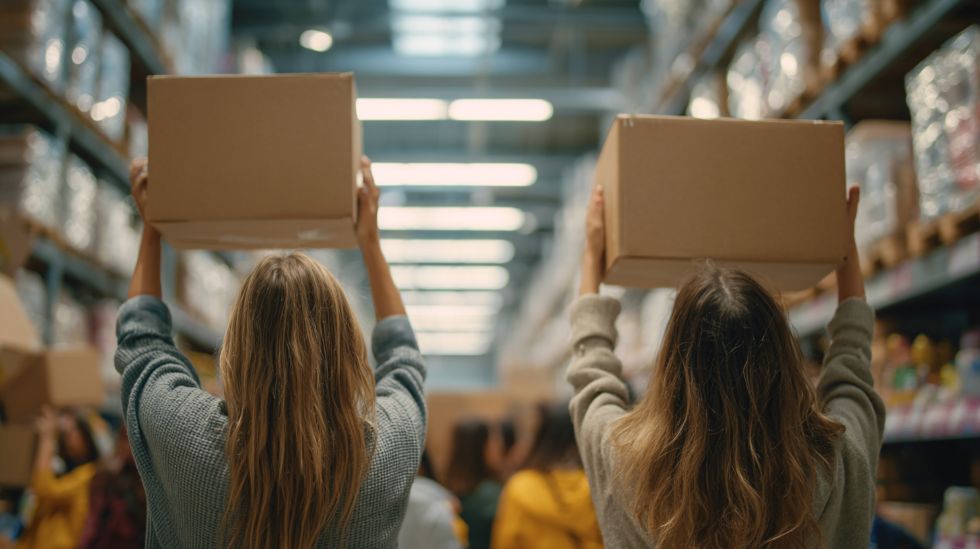
Local recycling centers are often overlooked as a box source, but many of them maintain a designated area where residents drop off usable cardboard for others to take before it gets processed. Most recycling centers have a designated area where people drop off lightly used boxes for others to reuse, and while some boxes may be broken down flat, all you need is a bit of packaging tape to reassemble them. Call ahead to confirm that your local center allows item pickup; not all of them do, but many are glad to support the practice.
This option works particularly well if you are not in a rush and can check back multiple times over the course of a week or two leading up to your move. The selection changes frequently, and you often come across sturdy boxes in excellent condition.
A Word from the Professionals on Picking the Right Boxes
Not every free box is worth taking. Experienced movers consistently point out that quality matters as much as quantity, especially for breakables and heavier items.
Jeff Miller, a relocation specialist at, notes that when assessing used boxes, the first thing to check is whether the corners and seams have been compromised. A box that has been collapsed and reassembled multiple times loses structural integrity quickly, and it is not worth risking your belongings to save a dollar on cardboard. Two Men and a Truck is a name that carries significant weight in the professional moving world, having built a reputation across decades of residential and commercial relocations for its consistency and customer-first approach.
A helpful tip when sorting through free boxes: reserve your sturdiest finds for heavy items like books, dishes, and electronics. Softer goods like linens, pillows, and stuffed animals can go into boxes that show a little more wear. This kind of triage approach means you get the most out of every box you collect, regardless of condition.
Pro Tip: Inspect Before You Pack
Before committing any box to your move, a quick inspection can save you a headache on moving day. This is especially important for boxes sourced from food-related businesses or community platforms where storage conditions are unknown.
For a quick guide on before packing, the short version is this: press on the bottom panel to test its firmness, check the corners and seams for soft spots or water damage, and give the interior a quick smell test to rule out mold or residue. Boxes that pass all three checks are generally safe to use for most household items. If anything feels soft or looks stained, set it aside for non-essential packing or recycling. This takes about 10 seconds per box and is absolutely worth the habit.
Timing Is Everything When Collecting Free Boxes
One of the biggest factors that determines whether you walk away with a truckload of free boxes or an empty car is simply when you show up. Retail stores process deliveries on specific schedules, and arriving after those windows means the boxes are already crushed and baled. Most grocery and liquor stores receive heavy shipments in the early morning hours, with boxes being broken down by midday if they are not claimed. For online platforms, boxes posted on Facebook Marketplace and neighborhood swap groups tend to go quickly, so responding right away boosts your chances significantly.
Starting your box search two to three weeks before your move date is ideal. It gives you enough time to visit multiple sources, try different timing windows, and build up a full supply without the pressure of needing everything immediately. The movers who end up spending the least on packing materials are almost always the ones who started looking early.
The Bottom Line: Boxes Are Out There, and They Are Waiting for You
Moving costs add up faster than most people expect, and packing supplies are one of the few areas where real savings are genuinely within reach without any sacrifice in quality. From your neighborhood liquor store to the U-Haul Box Exchange to the Facebook group two blocks over, free moving boxes exist in abundance for anyone willing to spend a little time hunting them down. The strategies in this guide require nothing more than a phone call, a search bar, and a willingness to ask.
At Express Movers, the advice is always the same: put your energy and budget toward what matters most on moving day and let the things that can be free actually be free. With a solid plan and a two-week head start, most people can gather every box they need without spending a single dollar on cardboard, leaving more room in the budget for the parts of the move that truly deserve the investment.
EXPRESS MOVERS
Express Movers, prides on its uniqueness and on its excellence when it comes to moving hundreds, if not thousands, of people, businesses and more each year to their new homes and residences.
"Goods Moved Without Damage"