
Stop Packing Alone: Everything You Need to Know About Professional Packing Services
Before you wrap your grandmother's china in newspaper, read this. Professional packing services explained in full — costs, types, benefits, and what to expect.


Most people spend weeks stressing over a move but give packing maybe a weekend. They grab whatever moving boxes they can find, stuff things in with old newspaper, tape it shut, and then hold their breath on moving day. That approach works fine for throw pillows and towels. It does not work nearly as well for your grandmother's china, your 65-inch television, or the vintage mirror you paid a small fortune to ship across the country. The International Association of Movers, the moving and forwarding industry's largest global trade association with more than 2,000 members across 170 countries, consistently emphasizes that improper packing is one of the leading causes of damage, delay, and added cost during any relocation.
Professional packing services exist specifically to close that gap between how people pack and how things should be packed. Whether you are moving a one-bedroom apartment across town or relocating a five-bedroom home across the country, having trained packers handle your belongings changes the entire experience. This guide covers everything worth knowing about packing services: the different types available, what the process looks like, who benefits most, what it costs, and how to get the most out of the service from start to finish.
What Professional Packing Services Actually Include
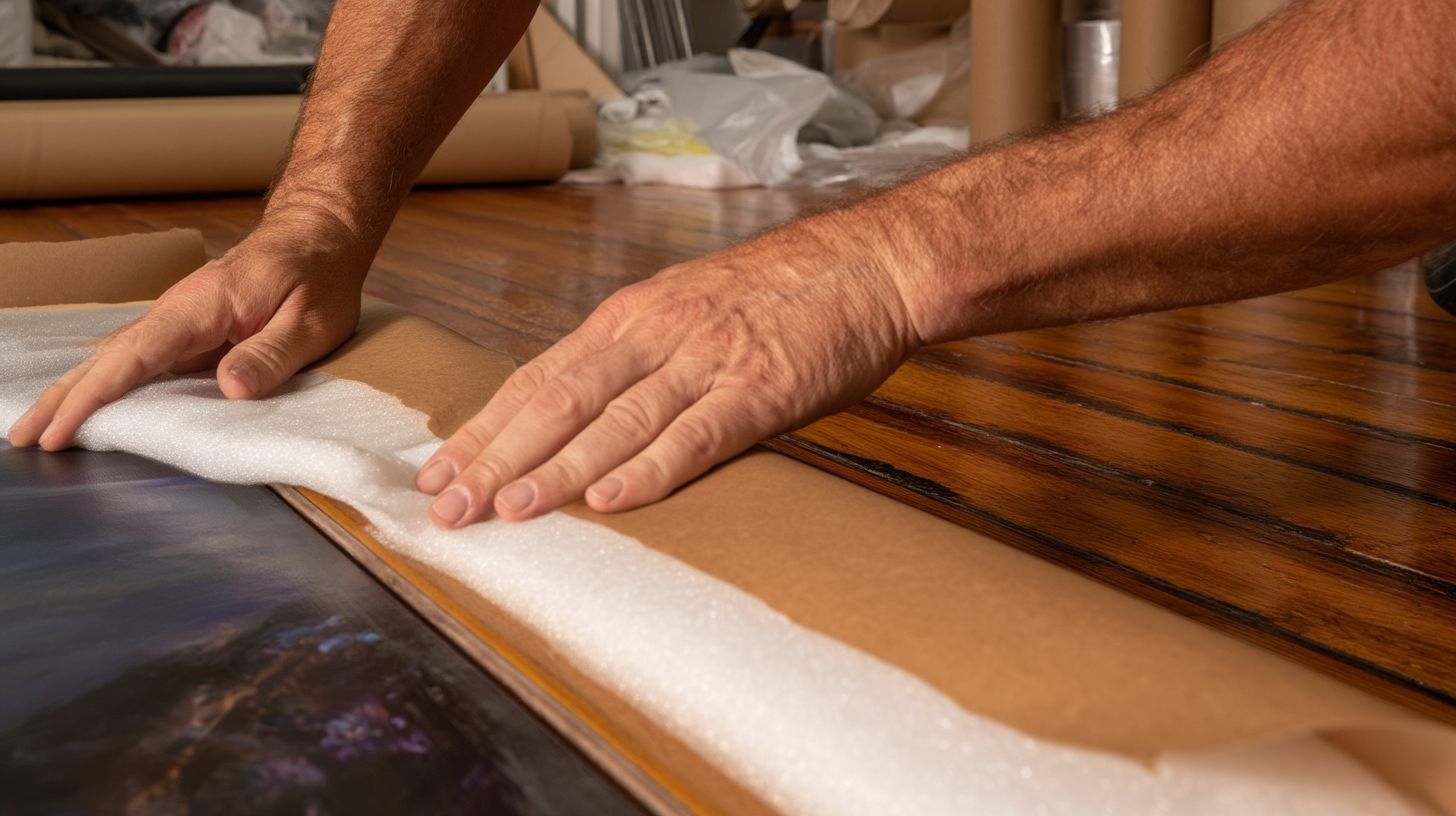
There is a common misconception that hiring packers simply means someone else puts your things in boxes. In practice, it is substantially more involved than that. A professional packing crew arrives with all necessary materials, including reinforced moving boxes in multiple sizes, packing paper, bubble wrap, foam padding, specialty dish packs, wardrobe boxes, and custom crating for high-value or oversized items. They assess each room systematically, wrap individual items according to their fragility and weight, pack boxes to proper density so nothing shifts in transit, label every box clearly with contents and destination room, and track inventory throughout the process. Furniture is wrapped, disassembled where needed, and prepared for loading. When the job is done, you are left with a home that is organized, protected, and ready for the truck.
The scope of what gets included depends on the type of service you choose. Most reputable moving companies offer three primary options:
- Full packing service: The crew handles everything in the home from start to finish, bringing all materials and managing every room. This is the most comprehensive option and is typically best for large homes, long-distance moves, or anyone with significant time constraints.
- Partial packing service: You pack the straightforward items yourself, while the professionals focus on fragile, bulky, or high-value belongings such as artwork, electronics, kitchen glassware, and furniture. This option reduces cost while still protecting the items that are most vulnerable to damage.
- Specialty item packing: Some movers offer focused crating and handling for specific items like pianos, pool tables, antiques, grandfather clocks, or fine art. These items require more than standard techniques and materials, and specialist handling is almost always worth the additional expense.
The Real Value of Handing the Job to Experts
Time is the factor that most people cite when they finally decide to hire packers, and for good reason. Packing a three-bedroom home on your own typically takes two to three weeks of evenings and weekends. A professional crew of two to three people can accomplish the same job in a single day, sometimes less. That alone can change the entire emotional texture of a move, freeing up the days before your move-out date for the dozens of other tasks that also require your attention.
Beyond time, there is a meaningful difference in how professionals pack compared to how most people pack themselves. Trained packers understand weight distribution within a box, which items need individual wrapping versus grouped padding, how to prevent shifting during transport, and which box sizes work best for specific categories of household goods. A kitchen packed by professionals looks entirely different from one packed at 11pm the night before moving day. Items are categorized, cushioned properly, and labeled in a way that makes unpacking at the destination genuinely organized rather than chaotic.
There is also the matter of liability. When a professional moving company packs your belongings as part of a contracted service, they take on greater responsibility for damage that occurs in transit. That additional accountability is a meaningful protection for anyone moving irreplaceable or high-value items.
Who Benefits Most from Professional Packing
Packing services are not exclusively for people with large homes or unlimited budgets. There are specific situations where the value of hiring professionals becomes particularly clear.
Busy Professionals and Families with Young Children
When work does not pause for a move and school schedules do not care about your moving timeline, packing becomes a genuine logistical problem. A family with two working parents and children at home can struggle to find ten consecutive hours to pack a kitchen, let alone an entire house. Bringing in a professional crew lets the adults stay focused on their work and family while the packing gets handled efficiently and without cutting corners.
Long-Distance and Interstate Moves
The stakes of a long-distance move are considerably higher than a local one. Items in transit for two days across several states face more movement, vibration, and handling than boxes in a cross-town truck. Proper packing is not just convenient in this context; it is a direct form of damage prevention. Boxes that would survive a 20-minute local drive can shift, compress, or collapse over hundreds of miles if they are not packed to a professional standard.
Seniors and Anyone with Physical Limitations
The physical reality of packing a home, particularly one occupied for many years, should not be underestimated. Lifting heavy boxes, bending repeatedly, and spending hours kneeling on the floor packing lower cabinets is genuinely hard work. For older adults or anyone with a back condition, injury, or physical limitation, packing services remove a significant and potentially dangerous burden from the moving process.
Last-Minute Moves
Sometimes a job offer comes through with a two-week notice or a lease ends faster than expected. When the timeline compresses, having professionals step in to handle packing is often the only realistic path to a complete and organized move.
What the Process Looks Like Day-to-Day
Understanding what actually happens before and during a professional packing job helps set realistic expectations and makes the day run more smoothly. Most companies begin with an assessment, which can be conducted in person or increasingly through a virtual walkthrough via video call. The representative takes note of the volume of items, any specialty or fragile pieces, access challenges like narrow hallways or stairs, and material requirements. From that assessment comes your estimate.
On packing day, the crew typically arrives in the morning with all supplies loaded and ready. They work room by room, wrapping, boxing, and labeling as they go. Most two to three bedroom homes can be fully packed by a two-person crew within six to eight hours. Larger homes may require additional days or a larger team. Throughout the process, a good packing crew communicates with the homeowner about any items that need special attention or any decisions that need to be made, such as whether a particular item should be crated rather than boxed.
Once packing is complete, the inventory is reconciled, boxes are stacked and organized by room designation, and the home is ready for loading. If unpacking services are also included in your arrangement, the same principle applies at the destination: the crew places boxes in the correct rooms, unpacks items, reassembles furniture, and removes all packing materials.
A Closer Look at Costs
Packing services are priced in a few different ways depending on the company and the scope of the job. Many charge an hourly rate per packer, which typically runs between $50 and $80 per hour per person. Others offer flat-rate packages based on home size. The total cost for full packing services generally ranges from roughly $280 for a one-bedroom apartment up to $2,200 or more for larger multi-bedroom homes, with materials sometimes included and sometimes billed separately.
A few factors push those numbers up or down:
- Home size and item volume: A minimalist apartment costs significantly less to pack than a home with decades of accumulated belongings.
- Type of items: Fragile collections, large art pieces, or specialty items that require custom crating add to both time and material costs.
- Season and timing: Peak moving season between May and September typically carries higher rates due to demand.
- Location: Labor costs vary by region, and geographic factors like distance or elevator access can also influence pricing.
The most practical approach is to get itemized quotes from multiple companies, confirm exactly what is and is not included in the price, and ask whether materials are bundled or billed separately.
Packing Tips That Help the Professionals Help You
Even when you hire professionals to handle the bulk of the packing, a little preparation on your end goes a long way toward making the process faster and more effective.
Before the Crew Arrives
Go through your home in advance and separate anything you plan to donate, throw away, or sell. The less there is to pack, the more efficient the job becomes and the lower your final bill is likely to be. Set aside items you want to pack yourself, such as personal documents, medications, valuables, or sentimental items you prefer to handle personally. Make sure these are clearly identified and separate from what the crew will be packing.
Ensure there is clear access to every room and that walkways are not blocked. If you have specific instructions about how certain items should be handled, write them down and review them with the team leader when they arrive. The more informed the crew is at the start, the less time gets spent on questions and decisions mid-job.
A Note on Packing Materials
One practical resource worth knowing about is the FMCSA's guide on moving rights and responsibilities, which outlines what consumers are entitled to expect from licensed movers. Reading through it before booking any packing or moving service is 20 minutes well spent. It covers estimates, liability, and your rights if something goes wrong during the move.

What Good Packers Will Not Touch
Professional packing crews are thorough, but there are certain categories of items they will not pack for legal, safety, or practical reasons. These typically include:
- Hazardous materials such as paint, cleaning chemicals, propane tanks, and aerosols
- Perishable food items
- Plants, which can be damaged in a sealed truck and are often restricted across state lines
- Personal valuables like jewelry, cash, and important documents, which are better kept with you directly
- Pets and their food
Knowing this in advance lets you plan appropriately so there are no surprises on packing day.
An Expert Perspective on Getting Packing Right
Sarah Johnson, a senior relocation coordinator at Atlas Van Lines, has worked with thousands of families through complex residential moves and notes that the single most common source of damage in transit is not the truck or the route but the way items were packed before they ever left the home. A properly packed box that is sealed, labeled, and loaded correctly rarely results in a damage claim, while an improperly packed one almost always does.
Atlas Van Lines has been a fixture in the professional moving industry for decades, earning a position among the most recognized names in residential and corporate relocation through consistent service and a far-reaching network of agents across North America.
The Smartest Thing You Can Pack for Your Move Is a Good Packing Team
Moving is one of those experiences that sounds manageable in the planning stage and then arrives with a weight that most people underestimate. The boxes, the tape, the inventory, the bubble wrap, the 2am panic when you realize you have no idea how to safely pack the antique lamp your parents brought back from Portugal. Professional packing services exist because those problems are real, they are common, and they have practical solutions that do not require you to figure them out alone. The time you save, the damage you avoid, and the mental bandwidth you recover are all tangible returns on the investment.
At Express Movers, packing services are treated as an essential part of a complete move, not an optional upgrade. Whether you need someone to handle the fragile items in a single room or you want a full crew to pack the entire house from first closet to last shelf, the right professional support makes a real difference in how your move feels and how it ends. The goal was never just to get your things from one address to another. It was to get them there intact, organized, and ready for whatever comes next.
EXPRESS MOVERS
Express Movers, prides on its uniqueness and on its excellence when it comes to moving hundreds, if not thousands, of people, businesses and more each year to their new homes and residences.
"Goods Moved Without Damage"