
Every Room Where Your Deposit Quietly Disappears
The real line items landlords deduct from deposits, plus a room-by-room move-out cleaning plan that holds up under a final walkthrough.
Part 1 of 3 in the series The Clean Handoff: Move-Out and Move-In Cleaning Done Right.
Most renters lose deposit money in the last 48 hours of a lease. Not because they trashed the place, but because the truck was loaded, the keys were due at noon, and the oven still had last winter's baked-on drips inside it. Landlords do not charge for effort. They charge for what a cleaner or contractor has to fix after you hand over the keys.
This series was shaped in part by insights from Carole's House Cleaning, a crew that has walked into more half-cleaned rentals than most property managers have. Their read is simple: the mess that costs you money is almost never the mess you can see from the doorway. It is the buildup in the places you stopped noticing after month three.
Why Waiting Costs You Real Dollars
Grime has a clock on it. Cooking grease that sat on a range hood for two years needs a degreaser and dwell time, not a paper towel. Soap scum turns into mineral scale. Carpet traffic lanes grind in deeper every week you keep walking them. Cleaning invoices are priced on labor hours, so every layer you leave behind is billable time. There is a quieter cost too: last-day cleaning happens around boxes, furniture, and a moving crew that needs the walkway clear. Nobody scrubs a baseboard well while a sofa goes past their head. The work gets rushed, the walkthrough finds it, and the deduction lands.
What Landlords Actually Bill For
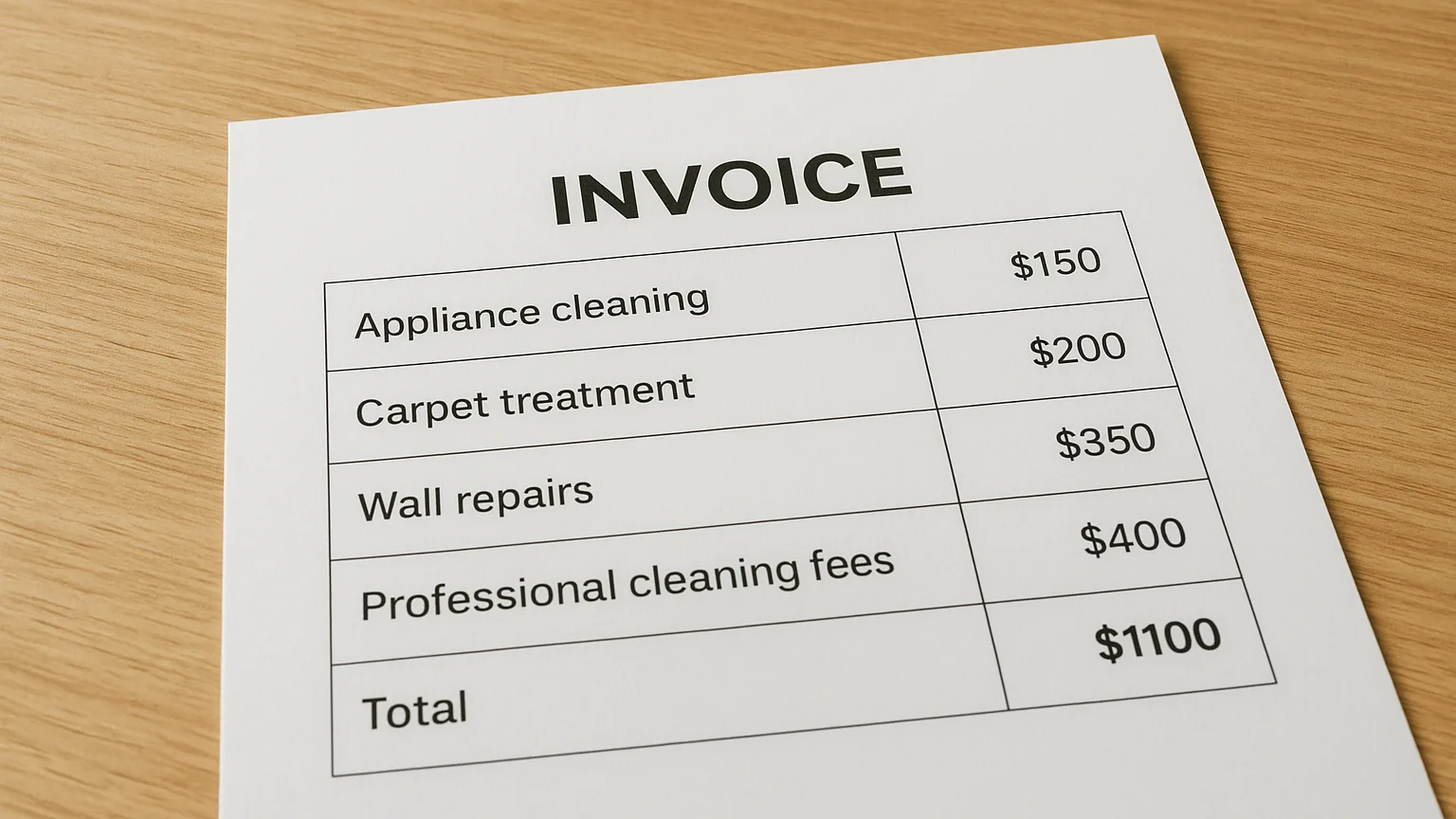
Deductions split into two buckets: normal wear and tear, which is not your responsibility, and cleaning or damage, which is. The gray area between them is where deposits disappear. These charges show up on itemized statements again and again:
Read the lease before you clean anything. Some agreements require documented professional cleaning with a receipt, which means your own elbow grease will not satisfy the clause no matter how good the result looks.
Planning a move right now?
Tell us where you are going and get a free, no-pressure estimate from a licensed and insured Express Movers crew.
The Kitchen Is Where Inspectors Start
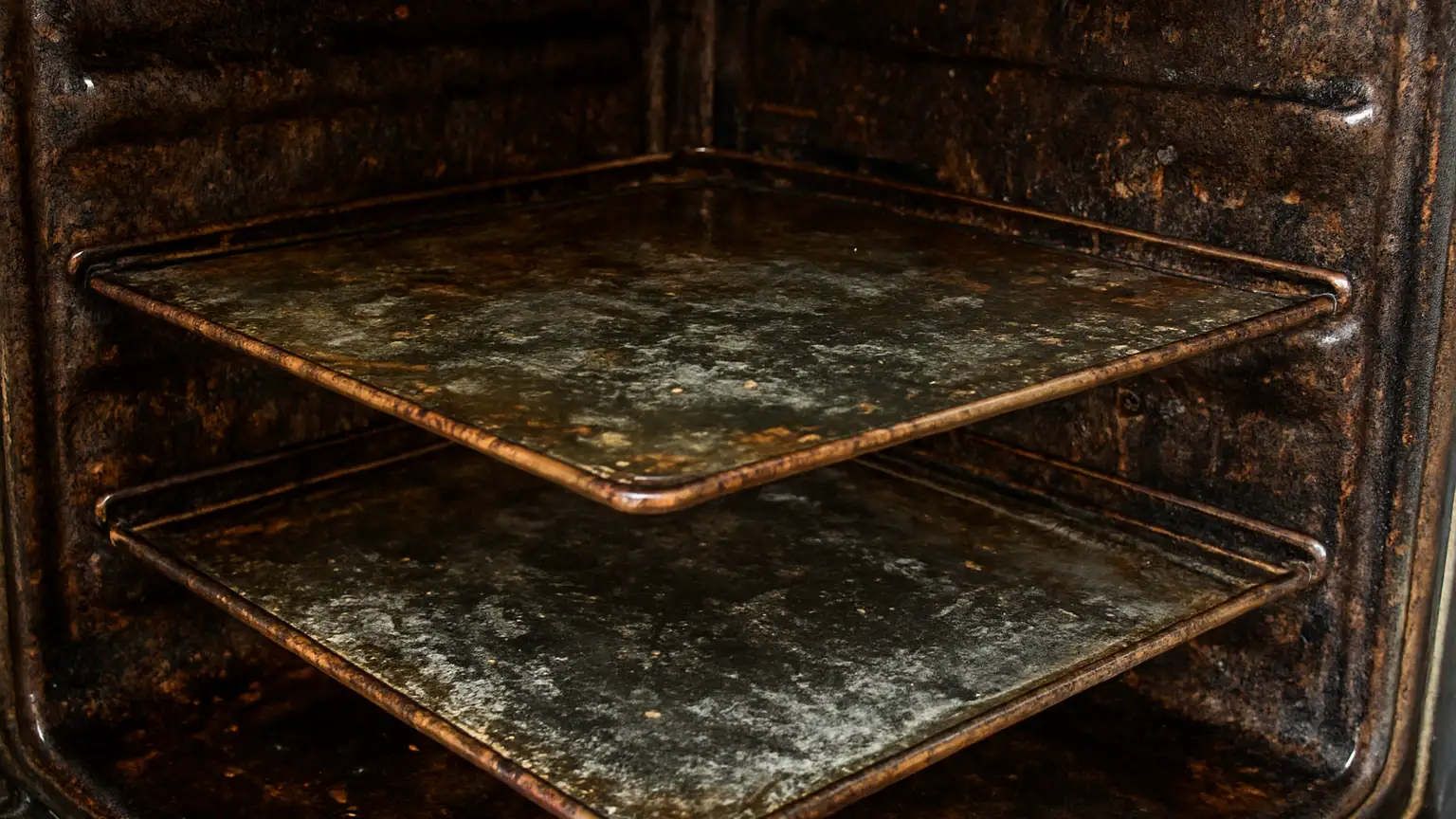
Property managers open the oven and the fridge within the first minute, because a tenant who cleaned those two things probably cleaned the rest. Degrease the range hood filter, pull the drip pans, wipe the inside of every cabinet and drawer, and get the crumbs out of the drawer tracks. Move the refrigerator if you can and clean the floor and coils behind it. Run an empty dishwasher cycle with cleaner, then wipe the rubber gasket where the black film hides.
Bathrooms
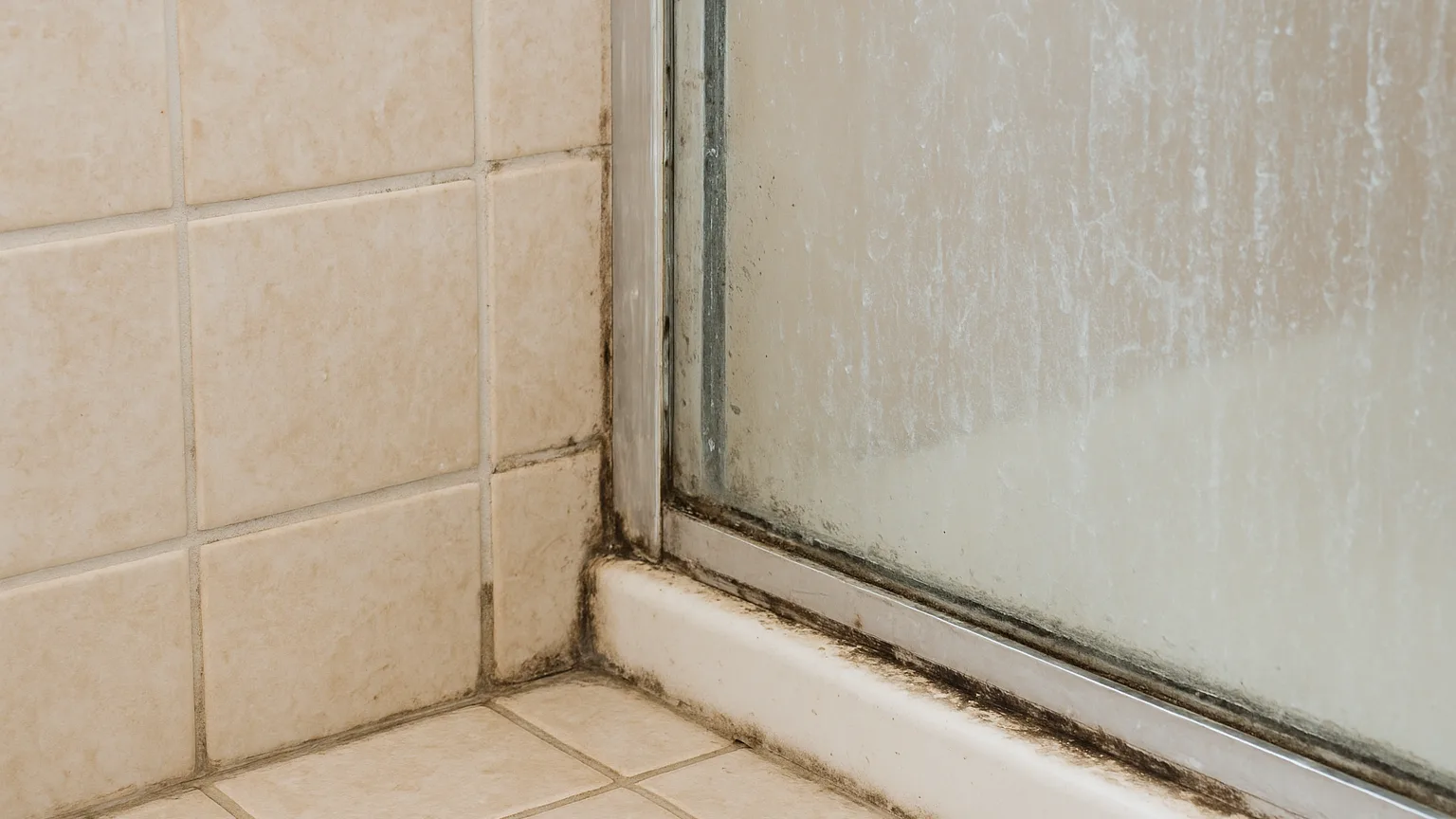
Scale on the shower glass, mildew in the caulk seam, and mineral rings in the toilet bowl are the three findings that trigger a bathroom cleaning charge. Use the right products and let dwell time do the work instead of scrubbing dry. Wipe the exhaust fan cover, the top edge of the shower door, the underside of the toilet base, and the vanity drawer interiors.
Bedrooms, Living Areas, And Closets
Empty rooms expose everything. Dust closet shelves and rods, vacuum closet floors, wipe baseboards, door frames, switch plates, and the door edges where hands land. Take down the blinds if the lease allows and clean them flat, then run a damp cloth through the window tracks. Vacuum in a full grid pattern, not just the open floor, and get the edges with a crevice tool. Do not stop at eye level: ceiling fan blades, light fixture bowls, the tops of door frames, and HVAC return vents collect dust that photographs badly, and each one becomes a line on the invoice.
“The rooms people skip are the ones nobody lived in, like the laundry closet and the hall linen shelves,” says Denise Halvorsen, operations lead at Carole's House Cleaning, who notes that inspectors tend to open every door on the walkthrough route.
The crew people hand their keys to
Bonded crews and real coverage on every single job, local or long distance.
A written estimate before we lift a box, with no surprise line items at the curb.
Full or partial packing, custom crating, and materials that actually protect your things.
Clean In The Right Order, Not All At Once
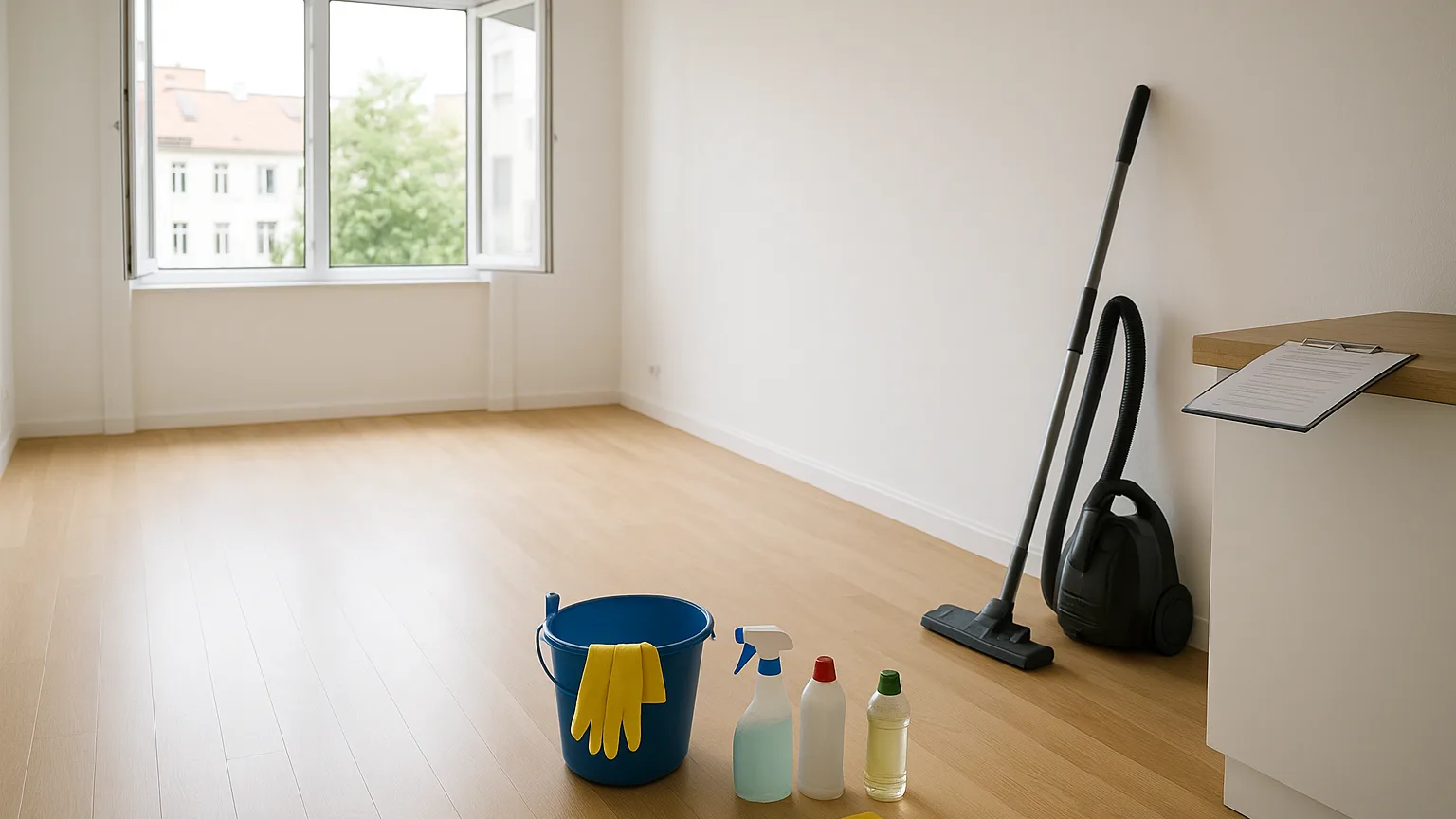
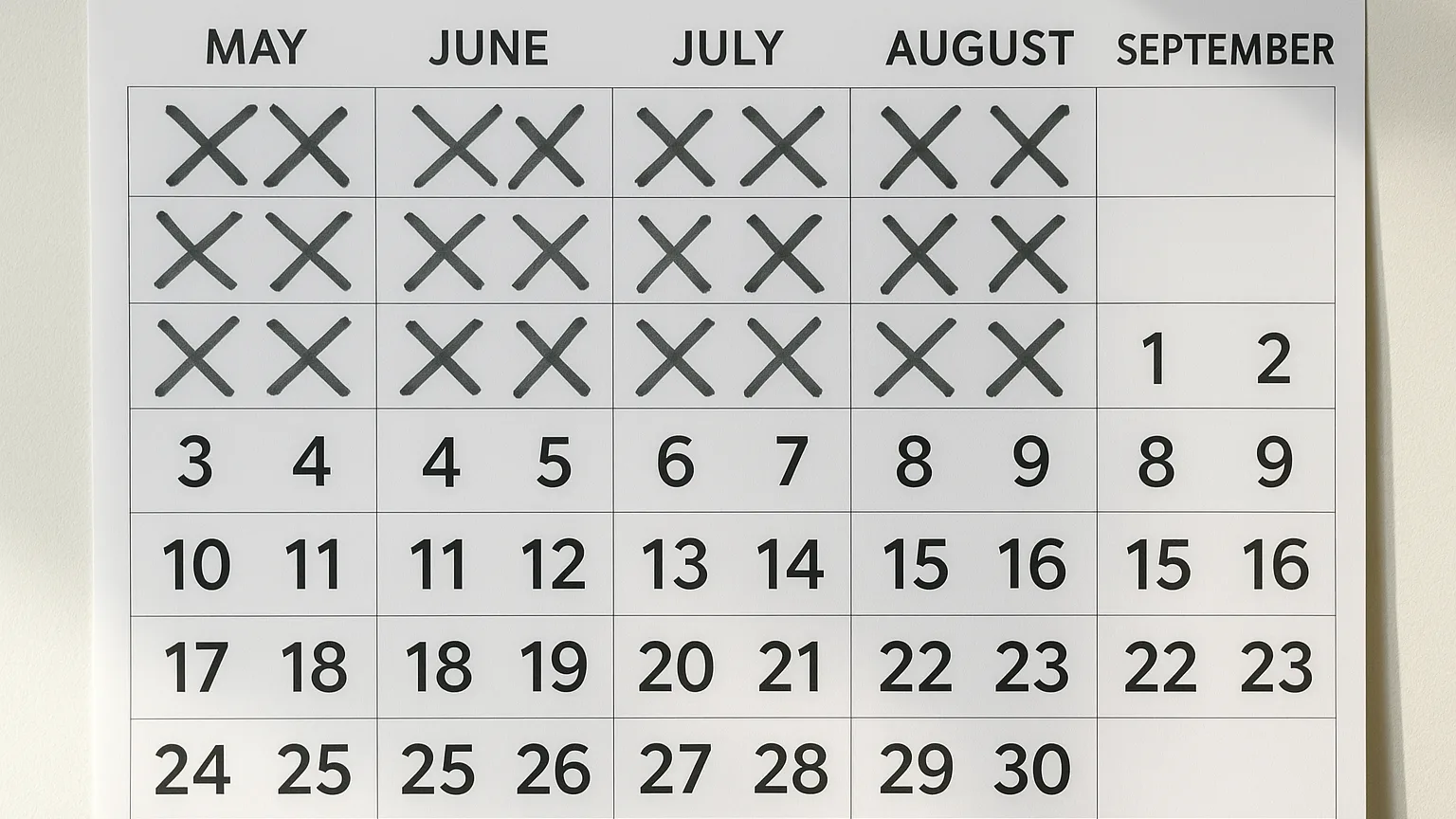
The most expensive mistake is treating cleaning as one task on move-out day. Break it into three passes. The first happens two weeks out, while you still have furniture: oven, fridge, range hood, bathroom scale, blinds, and anything else daily life will not re-dirty. The second happens as rooms empty, so closets, baseboards, and floors get done while the space is clear. The third is a short touch-up after the truck pulls away, mostly floors and high-touch surfaces.
“Tenants who split the job into passes almost always pass inspection, because the hard surfaces are already done before the chaos starts,” says Marcus Deveraux, field supervisor at Carole's House Cleaning, who has run move-out jobs in both directions on the same weekend.
Sequencing this way also lets you schedule your new place properly, which is exactly why don't unpack into someone else's should be handled before your furniture ever crosses the threshold. Cleaning crews and moving crews compete for the same weekends, so book your cleaning before peak deserves attention long before your notice period ends. A crew booked three weeks out can work an empty unit calmly. A crew booked two days out is squeezing you between jobs.
Document Everything Like You Expect A Dispute
Photos are the only thing that reliably wins a deposit argument. Shoot the same angles you shot at move-in: wide shots of each room, then close-ups of the oven interior, fridge shelves, shower glass, floor corners, and any pre-existing damage you noted when you arrived. Timestamp matters, so shoot on the day you hand over keys, not a week before.
- Photograph inside every appliance with the door open and the light on
- Capture floors from a low angle where scuffs and traffic lanes show
- Keep receipts for professional cleaning and carpet service
- Request a joint walkthrough in writing and attend it if you can
- Ask for an itemized statement rather than a lump-sum deduction
If a charge appears that you have clear photo evidence against, dispute it in writing with the images attached. Landlords settle far more often than tenants expect when the documentation is tight.
The Deposit Was Always Yours To Keep
None of this requires heroics. It requires understanding that landlords price cleanup in labor hours, and every layer of grease, scale, and ground-in dust converts directly into billable time. The lease tells you the standard, the room-by-room pass tells you where the money hides, and the photos tell the story if anyone disagrees later. Start two weeks out instead of two days out, request the joint walkthrough, and keep your receipts. Do that and the final inspection stops being a gamble, which frees you up to focus on walking into a new place that is genuinely clean before a single box comes off the truck.
EXPRESS MOVERS
Express Movers, prides on its uniqueness and on its excellence when it comes to moving hundreds, if not thousands, of people, businesses and more each year to their new homes and residences.
"Goods Moved Without Damage"